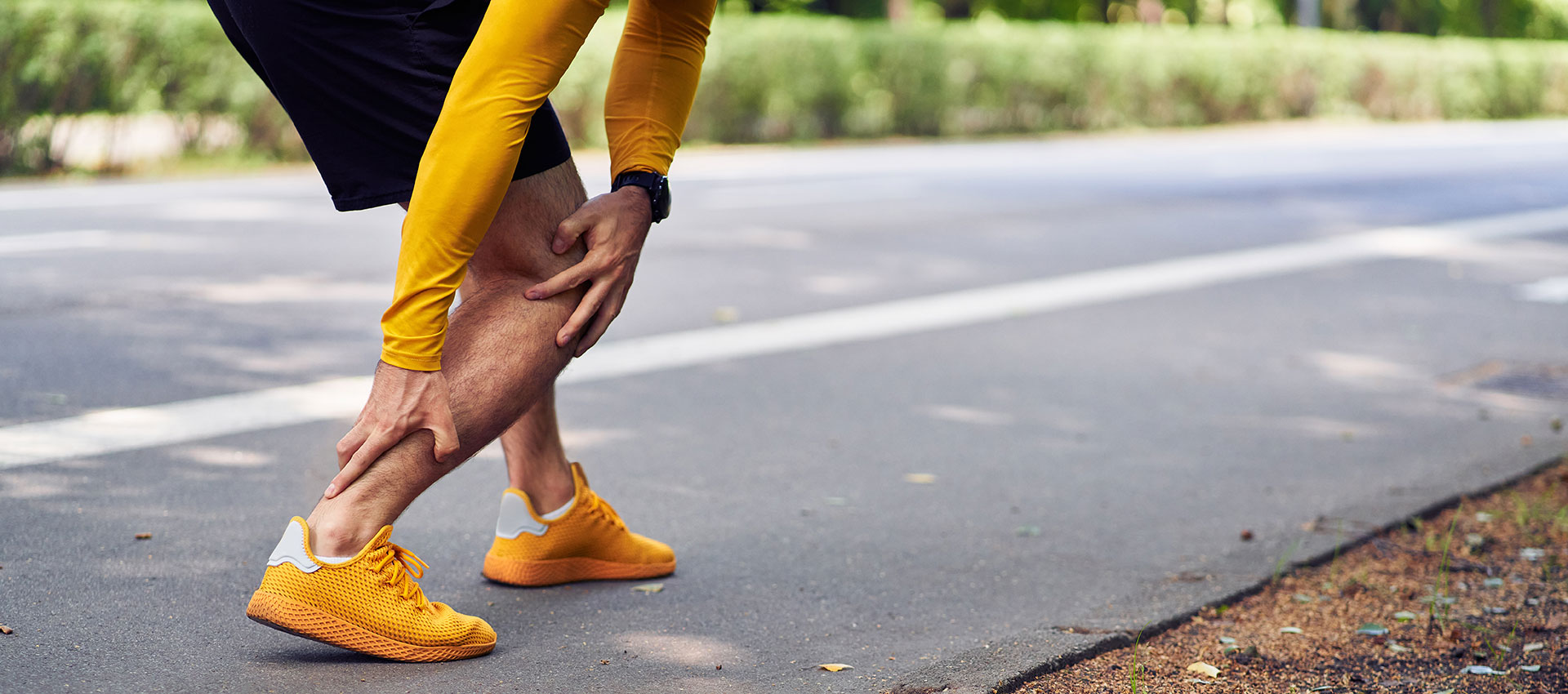

Achilles Tendon Tear: An Overview
The human body is a remarkable system, each part having a distinct function, working cohesively to ensure we move, function, and live healthily. One such crucial part is the Achilles tendon. However, just like any other part of our body, it can be susceptible to injuries, as we recently saw when New York Jets quarterback Aaron Rodgers suffered a season-ending Achilles Tear on the fourth snap of his first game with the team. In this blog post, we’ll delve deep into the Achilles Tendon Tear, its causes, treatment options, and prevention techniques.
What is an Achilles Tendon Tear?
The Achilles tendon is the largest and strongest tendon in the body, connecting the calf muscles to the heel bone. Located at the back of the lower leg, it plays a pivotal role in various activities like walking, running, and jumping. An Achilles tendon tear, also known as an Achilles tendon rupture, is when the tendon becomes partially or completely torn.
There are two types of Achilles tendon tears:
- Partial Tear: This is when the tendon is damaged but still intact.
- Complete Tear (Rupture): A more severe form where the tendon is split into two pieces.
When the Achilles tendon ruptures, an individual might hear a popping or snapping noise, followed by sharp pain in the back of the ankle and lower leg. The pain might be intense initially but fade quickly. Walking or even standing could become challenging after a rupture.
What causes an Achilles Tendon Tear?
Several factors can predispose or lead to an Achilles tendon tear:
Age: The risk increases with age as tendons tend to lose their elasticity and become weaker.
Physical Activity: Sudden accelerations in sports like basketball or tennis can strain and tear the tendon.
Falling: Landing hard on your feet after a jump can cause a tear.
Previous Achilles Tendonitis: Chronic inflammation of the tendon (tendonitis) can weaken it, increasing the risk of a tear.
Medications: Some antibiotics, like fluoroquinolones, have been associated with an increased risk of Achilles tendon rupture.
Structural Problems: Flat feet can put more strain on the Achilles tendon.
Improper Footwear: Wearing high heels for extended periods can weaken the tendon.
What are the treatment options for an Achilles Tendon Tear?
There are both non-surgical and surgical options for treating an Achilles tendon tear:
- Non-Surgical Treatment:
- Rest: Avoid putting weight on the injured leg.
- Immobilization: Wearing a cast or walking boot helps the tendon heal.
- Physical Therapy: After immobilization, physical therapy aids in strengthening the leg muscles and tendon.
- Pain relief: Over-the-counter pain relievers can help in managing pain.
- Surgical Treatment:
- Open Surgery: A single large incision is made to stitch the torn tendon together.
- Percutaneous Surgery: Multiple small incisions are made rather than one large one.
While surgery reduces the risk of re-rupturing the Achilles, it can come with complications like infection. On the other hand, non-surgical treatment might have a higher risk of re-injury but without the surgical risks. The decision between the two usually depends on the individual’s age, activity level, and the severity of the tear.
How to prevent an Achilles Tendon Tear?
Prevention is always better than cure. Here are some strategies to reduce the risk of an Achilles tendon tear:
Strength Training: Regularly strengthen your calf muscles.
Stretching: Stretch the Achilles tendon and calf muscles to improve flexibility.
Gradual Progression: Avoid sudden increases in activity intensity. Gradually build up the intensity and duration.
Wear Appropriate Footwear: Ensure that you wear shoes that provide adequate support and fit correctly.
Cross-Training: Mix high-impact exercises like running with low-impact exercises like swimming or biking.
Listen to Your Body: At any sign of pain in the Achilles tendon area, rest and seek medical advice if necessary.
Warm Up: Before any physical activity, especially sports, ensure that you adequately warm up.
In conclusion, an Achilles tendon tear, while a severe injury, is treatable. Understanding its causes, available treatments, and preventive measures is the first step in ensuring that you remain safe and healthy. Whether you’re an athlete or someone who enjoys a daily walk, taking care of this crucial tendon should be a top priority. If you have more questions or are experiencing pain in your achilles tendon, our sports medicine doctors in Port St. Lucie and Stuart can help. Call (772) 288-2400 or schedule an appointment.