

Shoulder pain can be incredibly limiting, affecting everything from sleep to simple daily tasks like getting dressed or reaching overhead. For many patients with severe shoulder damage, traditional treatments may no longer provide relief. That’s where reverse shoulder replacement comes in—a surgical innovation that has transformed outcomes for patients with complex shoulder conditions.
What Is Reverse Shoulder Replacement?
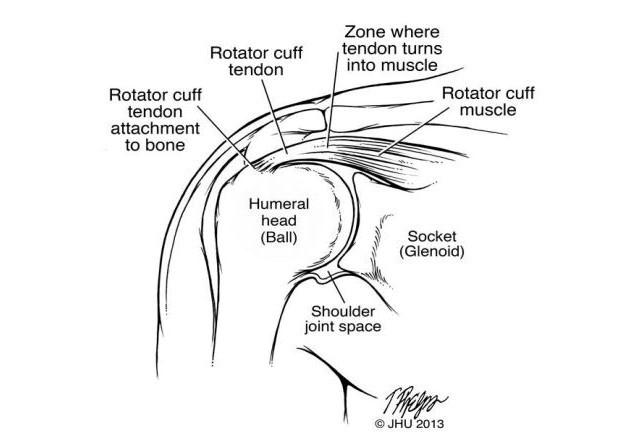
Reverse shoulder replacement (also called reverse total shoulder arthroplasty) is a procedure that switches the normal anatomy of the shoulder joint. In a healthy shoulder, the ball sits at the top of the upper arm bone (humerus), and the socket is part of the shoulder blade (scapula).
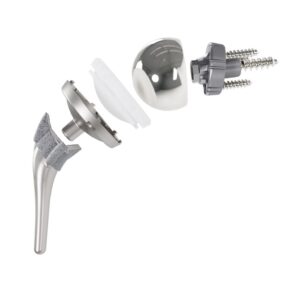
In a reverse replacement:
- A metal ball is implanted and fixed to the shoulder blade
- A socket component is placed in the upper arm bone
This reversal allows the shoulder to function using different muscles—primarily the deltoid instead of the damaged rotator cuff.
Why Would Someone Need Reverse Shoulder Replacement?
Reverse shoulder replacement is typically recommended when conventional shoulder replacement isn’t effective. Common reasons include:
- Massive rotator cuff tears that cannot be repaired
- Rotator cuff tear arthropathy (arthritis caused by chronic cuff damage)
- Failed previous shoulder replacement
- Complex fractures of the shoulder
- Severe shoulder arthritis with instability
In these situations, the rotator cuff can no longer stabilize or move the joint effectively, making a traditional replacement less successful. Steven Lewis, MD, a fellowship-trained shoulder specialist, states that “80 to 90% of all shoulder replacements performed yearly are the reverse shoulder arthroplasty. It has the largest increase in utilization of all joint replacements. There are still more hip and knee arthroplasties performed each year but shoulder arthroplasty is the fastest growing joint replacement procedure with an estimated 200,000 a year in this country.
How Is Reverse Shoulder Replacement Different from Traditional Shoulder Replacement?
The key difference lies in which muscles power the shoulder:
- Traditional replacement depends on a healthy rotator cuff
- Reverse replacement relies on the deltoid muscle
By changing the mechanics of the joint, reverse shoulder replacement restores the ability to lift the arm—even without a functioning rotator cuff.
What to Expect from Reverse Shoulder Replacement Surgery?
The procedure typically takes 1.5 to 2 hours and is performed under general anesthesia. Most patients:
- 95% of patients go home same day
- Sling for 1-3 weeks
- Begin gentle use of shoulder once sling discontinued
Recovery is gradual, with most patients seeing significant improvement within 3–6 months if not much sooner. There are no restrictions after 3 months. On average, patients are playing 18 holes of golf comfortably by 4.5 months. Dr. Lewis explains “approximately 95% of our patients go home the same day. Roughly 20 to 30% of our patients do not take any narcotics after surgery. We instruct our patients to begin using the shoulder for light activities of day living starting 1 to 3 weeks after surgery. Sling use is typically discontinued by 3 weeks. There are minimal restrictions that are lifted at 3 months, but most patients return to most activities of day living by 2 to 3 weeks after surgery.”
Benefits of Reverse Shoulder Replacement
Patients often experience:
- Significant pain relief
- Improved range of motion
- Better ability to perform everyday activities
- Increased quality of life
For many, it restores independence that had been lost due to shoulder dysfunction.
Risks and Considerations of Reverse Shoulder Replacement
As with any surgery, there are potential risks:
- Infection
- Dislocation of the joint
- Implant loosening over time
- Nerve injury (rare)
However, when performed on the right patient, outcomes are generally very favorable. With multiple studies demonstrating >90% success rate of alleviating pain and improving function. “Reverse shoulder arthroplasties are a relatively new type of implant. It was FDA approved in this country in 2003. We use the same materials essentially as total hip and total knee arthroplasties which continue to improve and prolong their longevity. A recent study with over 20-year data of over 4000 reverse shoulder arthroplasties demonstrates an over 90% implant retention indicating that these implants would likely last longer than 20 years” said Dr. Lewis.
Is Reverse Shoulder Replacement Right for You?
Reverse shoulder replacement isn’t for everyone—it’s typically reserved for more complex cases. A thorough evaluation by an orthopedic specialist, including imaging and functional assessment, is essential to determine candidacy.
Final Thoughts
Reverse shoulder replacement has revolutionized the treatment of severe shoulder conditions, especially when the rotator cuff is no longer functional. What was once a difficult problem with limited solutions now has a reliable and effective surgical option.
If shoulder pain is interfering with your daily life and other treatments haven’t worked, this procedure may be worth discussing with your orthopedic provider. Call us at 772-288-2400 or schedule an appointment online today.