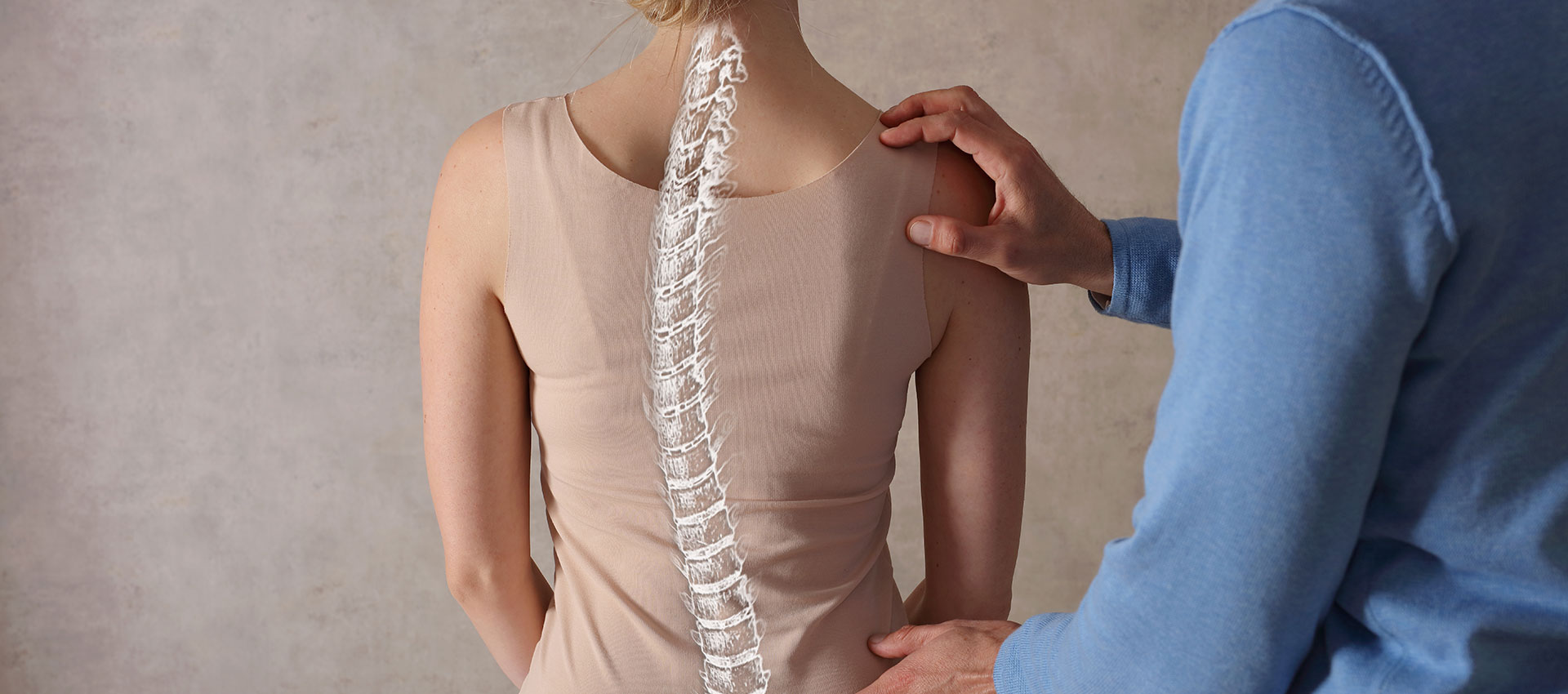

Understanding and Addressing Scoliosis
National Scoliosis Awareness Day is a critical observance dedicated to shedding light on scoliosis, a condition affecting millions worldwide. At South Florida Orthopaedics & Sports Medicine, our orthopaedic spine experts are here to explain scoliosis, its causes, treatment options, and the significance of early detection. By increasing awareness, we aim to enhance the quality of life for those affected and promote proactive health management.
What is Scoliosis?
Scoliosis is a medical condition characterized by an abnormal lateral curvature of the spine. It typically appears as a C-shaped or S-shaped curve in the spine. Scoliosis can affect people of any age, but it most commonly develops during the growth spurt just before puberty. While many cases of scoliosis are mild, severe curves can lead to serious complications, including lung and heart problems, due to the limited space within the chest for proper function.
Causes of Scoliosis
The exact cause of most scoliosis cases remains unknown, which is referred to as idiopathic scoliosis. However, there are several known factors and types of scoliosis, including:
1. Congenital Scoliosis: This type results from spinal abnormalities that develop in the womb. Babies born with scoliosis have bones of the spine that are not properly formed, leading to a curved spine.
2. Neuromuscular Scoliosis: This type is associated with neuromuscular conditions such as cerebral palsy or muscular dystrophy. These conditions weaken the muscles that support the spine, leading to scoliosis.
3. Degenerative Scoliosis: Found in older adults, this type is caused by the degeneration of spinal discs and joints. Arthritis and osteoporosis are common contributors to this form of scoliosis.
4. Idiopathic Scoliosis: The most common type, accounting for about 80% of cases, idiopathic scoliosis has no identifiable cause. It often runs in families, suggesting a genetic component.
Importance of Early Detection
Early detection of scoliosis is crucial for effective treatment and management. Detecting scoliosis early allows for a broader range of treatment options and can prevent the condition from worsening. Here’s why early detection is vital:
1. Slowing Progression: In children and adolescents, the spine is still growing. Early detection can help slow the progression of the curve as the child grows.
2. Non-Surgical Interventions: Early stages of scoliosis can often be managed with non-surgical treatments, such as bracing and physical therapy, which are less invasive and have fewer risks compared to surgery.
3. Preventing Complications: Severe scoliosis can lead to complications affecting the heart and lungs. Early treatment can prevent or mitigate these severe health issues.
4. Improving Quality of Life: Timely intervention can alleviate symptoms like pain and discomfort, improving the overall quality of life for individuals with scoliosis.
Treatments for Scoliosis
The treatment for scoliosis depends on the severity of the curve, the age of the patient, and the likelihood of progression. Common treatments include:
1. Observation: For mild scoliosis, regular check-ups are necessary to monitor the progression of the curve. Observation is often recommended for curves less than 20 degrees in children who are still growing.
2. Bracing: Bracing is used to prevent further progression of moderate curves (20-40 degrees) in growing children and adolescents. The type of brace and the duration of wear depend on the specifics of each case.
3. Physical Therapy: Specific exercises can help strengthen the muscles supporting the spine, improve posture, and reduce pain. Physical therapy is often used in conjunction with other treatments.
4. Surgery: Surgery is typically reserved for severe scoliosis (curves greater than 45-50 degrees) or when non-surgical treatments have failed. The most common surgical procedure is spinal fusion, where vertebrae are fused together to correct and stabilize the curve.
5. Advanced Treatments: Innovations in scoliosis treatment include less invasive surgical techniques and growth-modulation devices for young children with severe curves.
National Scoliosis Awareness Day serves as a reminder of the importance of understanding scoliosis, recognizing its symptoms, and seeking early intervention. At South Florida Orthopaedics & Sports Medicine, we are dedicated to providing comprehensive care for individuals with scoliosis. From early detection to advanced treatment options, our goal is to improve the lives of those affected by this condition.
If you or a loved one is concerned about scoliosis, we encourage you to schedule a consultation with one of our expert spine doctors. Together, we can create a personalized treatment plan to manage and treat scoliosis effectively. Remember, early detection is key to maintaining spinal health and overall well-being.